Map of Miercurea Ciuc: Roman-Chatolic Church
Holy Cross Church was built between 1751 and 1758. Baroque altar made with a technique apart with a cross in relief and painting Golgotha sculptor Schuchbauer Antal. In 1771 a chapel was built on the north wall of St. John of Nepomuk. In the early twentieth century, it was necessary to build a church roomier. In 1914, when gathered and money world war broke out, in 1916 the entire center was devastated by a fire, only the church escaped the flames.
In 1944 the church and parish was devastated by Soviet soldiers in June 1979 was the vestry fire, flames causing damage and nave. Communist dictatorship did not want to hear about building a new church, more than in 1981 wanted to capture the garden next building to achieve a link road. The priest learned of this intention, with overnight believers raised a barn plank furniture. The next procession was attended by over 5,000 believers, taking place in the church we moved in the barn, which became the church board and the authorities have given up their idea.
This church lasted until the summer of 2003, when it was moved to the foot of Harghita, was consecrated and named Saint Kinga. The site remained free of millennial church was built in 2003 after the plans of Imre Makovecz.
Contact:
0040-266-311-726
You can speak in:
Romanian, Hungarian, Germain

Roman-Chatolic Church, Miercurea Ciuc·, Photo: Marsovszky Zsuzsanna

Roman-Chatolic Church, Miercurea Ciuc·, Photo: Csúcs Mária and Péter

Roman-Chatolic Church, Miercurea Ciuc·, Photo: Csúcs Mária and Péter

Roman-Chatolic Church, Miercurea Ciuc·, Photo: Csúcs Mária and Péter

Roman-Chatolic Church, Miercurea Ciuc·, Photo: Csúcs Mária and Péter

Roman-Chatolic Church, Miercurea Ciuc·, Photo: Csúcs Mária and Péter

Roman-Chatolic Church, Miercurea Ciuc·, Photo: Csúcs Mária and Péter

Roman-Chatolic Church, Miercurea Ciuc·, Photo: Csúcs Mária and Péter

Roman-Chatolic Church, Miercurea Ciuc·, Photo: Csúcs Mária and Péter

Roman-Chatolic Church, Miercurea Ciuc·, Photo: Csúcs Mária and Péter

Roman-Chatolic Church, Miercurea Ciuc·, Photo: Csúcs Mária and Péter

Roman-Chatolic Church, Miercurea Ciuc·, Photo: Csúcs Mária and Péter

Roman-Chatolic Church, Miercurea Ciuc·, Photo: Csúcs Mária and Péter

Roman-Chatolic Church, Miercurea Ciuc·, Photo: Csúcs Mária and Péter

Roman-Chatolic Church, Miercurea Ciuc·, Photo: Csúcs Mária and Péter

Roman-Chatolic Church, Miercurea Ciuc·, Photo: Csúcs Mária and Péter

Roman-Chatolic Church, Miercurea Ciuc·, Photo: Csúcs Mária and Péter

Roman-Chatolic Church, Miercurea Ciuc·, Photo: Csúcs Mária and Péter

Roman-Chatolic Church, Miercurea Ciuc·, Photo: Marsovszky Zsuzsanna

Roman-Chatolic Church, Miercurea Ciuc·, Photo: City hall

Roman-Chatolic Church, Miercurea Ciuc·, Photo: Marsovszky Zsuzsanna

Roman-Chatolic Church, Miercurea Ciuc·, Photo: Marsovszky Zsuzsanna

Roman-Chatolic Church, Miercurea Ciuc·, Photo: Nagy Adél

Roman-Chatolic Church, Miercurea Ciuc·, Photo: Andrei Stroe
Source: welcometoromania.ro
GPS: 46.36253N, 25.79726E
Map type


Miercurea Ciuc: Roman-Chatolic Church
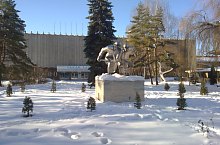
Miercurea Ciuc: Ice-Rink
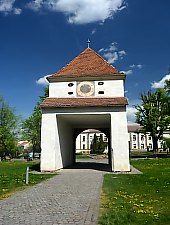
Miercurea Ciuc: Mikó Fortress
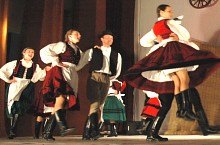
Dance: Hargita folk ensemble - Miercurea Ciuc
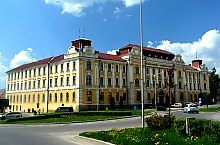
Miercurea Ciuc: The Palat of Justice

Miercurea Ciuc: Town-Hall

Miercurea Ciuc: The Seat of The Szekler Border-Warden Regiment
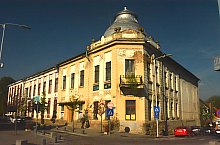
Miercurea Ciuc: Vigado

Miercurea Ciuc: Márton Áron High School