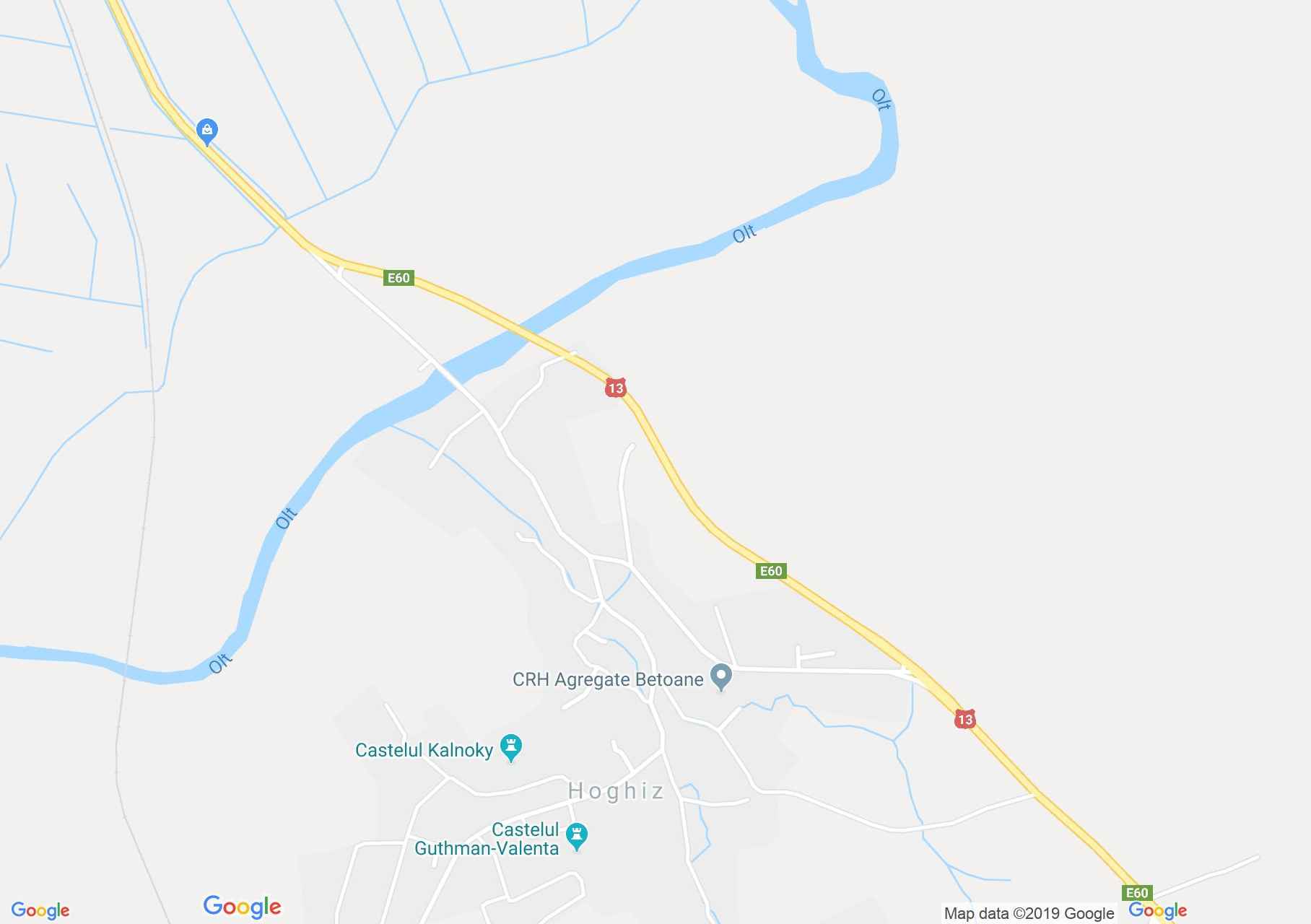
Map of Hoghiz
Realizing the Hoghiz objectives pages was not simple, because the locals have very little data on the history of the monument buildings. Hoghiz's most famous person was a writer-hunted missionary, Bethlen Kata, who, after two marriages and two births, at the age of 32 was alone, called himself Árva (Orphan) Kata. During his life, it was linked to several settlements, but Hoghiz was a real refuge, whenever pestilence, or soul problems distancing her from Sibiu or Soros. He supported the colleges, unfortunately during the war of independence he burned the rich library donated to the Aiud College. He died in 1759 in Fagaras.
Hoghiz an inhabited perimeter from ancient times is certified since 1186, a monastery act. The name refers to the hot water springs used by the Romans, which erected a fortress near the locality. In 1312 the locality became the property of Dobka Lajos.
In the time of Rákóczi György I. is the property of Sükösd György, but after he has no heir, in 1667 Prince Apafy grants the locality of Nagy Tamás, from whom he marries Bethlen and Haller. In the documents of 1312 the locality appears under the name Calida Aqua. Among the oldest churches of the Unitarians, built in the fifteenth century. The Hoghizians also boast a minicanion dug in the basalt.
Hoghiz, sights
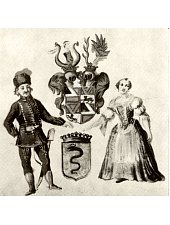
Hoghiz

Hoghiz, Photo: Cristache Kinga

Hoghiz, Photo: Mészáros Nándor

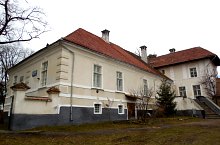
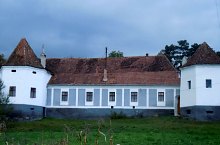
Hoghiz, Villa Haller, Photo: Szász Balázs
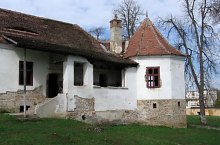
Hoghiz, Haller manor, Photo: Szász Balázs

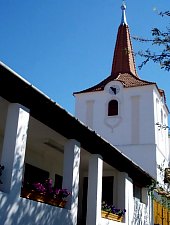
Hoghiz, Reformed church, Photo: Aba Sylvester
Hoghiz, Photo: Cristache Kinga

Hoghiz, Photo: Szász Balázs
Hoghiz, Villa Haller
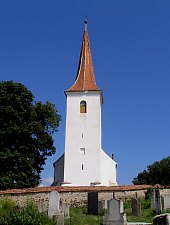
Hoghiz, Photo: Márkó László

Hoghiz, Photo: Cristache Kinga
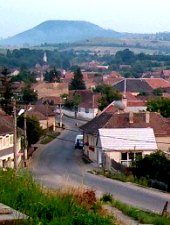
Hoghiz, Photo: Mészáros Nándor
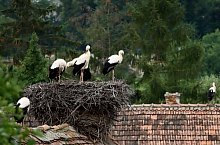
Hoghiz, Photo: Szász Balázs

Hoghiz, Photo: Szász Balázs

Hoghiz, Photo: Szász Balázs
Source: welcometoromania.ro
GPS: 45.98697N, 25.30923E
Map type